
Muscle Testing
This class will take you through some muscle testing that you can implement into your practice right away.
Muscle testing is a procedure performed by health practitioners as part of a physical evaluation. It helps assess the body’s muscles and their connections to the brain through the nervous system.
Post Isometric Relaxation (PIR)
Join us to learn the muscle energy technique, Post Isometric Relaxation (PIR).
This technique utilizes an isometric contractual phase followed by gentle stretching of the same muscle and is commonly used for treating muscle tension and joint dysfunction in myofascial pain syndromes.
Inflammation & Chronic Disease
Dr. Kendel will kick off the seminar discussing the biochemical process behind inflammation and how it becomes chronic inflammation. You will learn the common causes of chronic inflammation and what we as chiropractors can do to treat it.
He will review the influence of a leaky gut and the gut microbiome and their importance and the role they play. Dr. Kendel will continue with the influence of inflammation on adrenal fatigue and vascular inflammation.
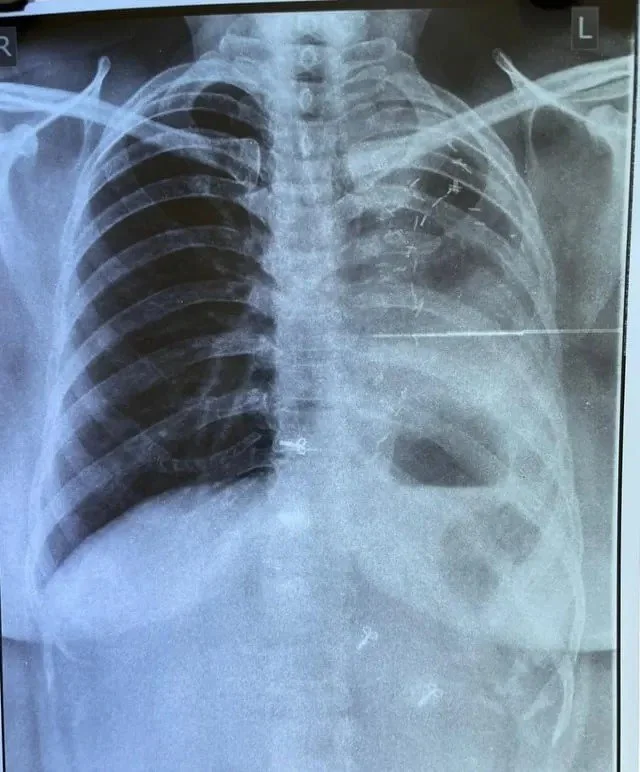
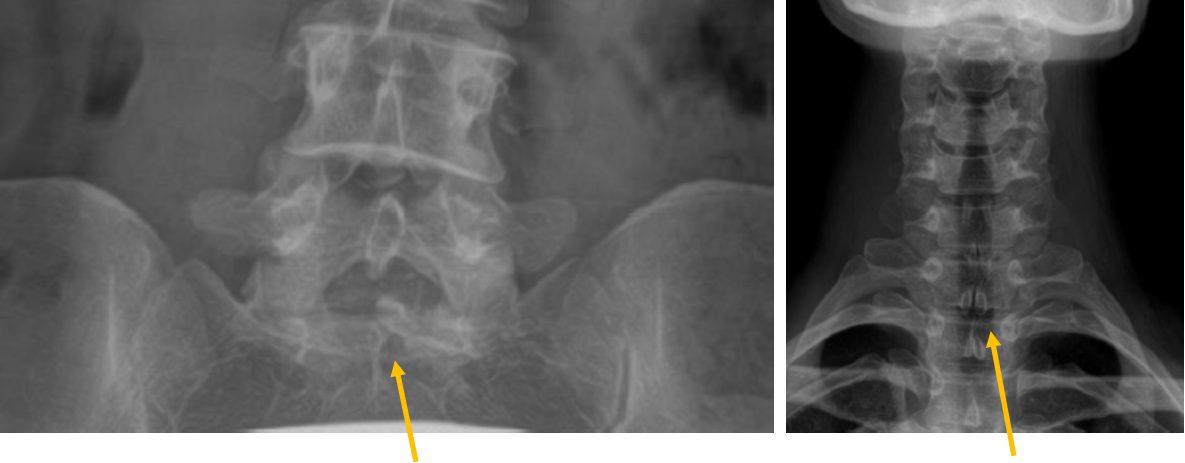
Lumbar & Cervical Oddities in Imaging
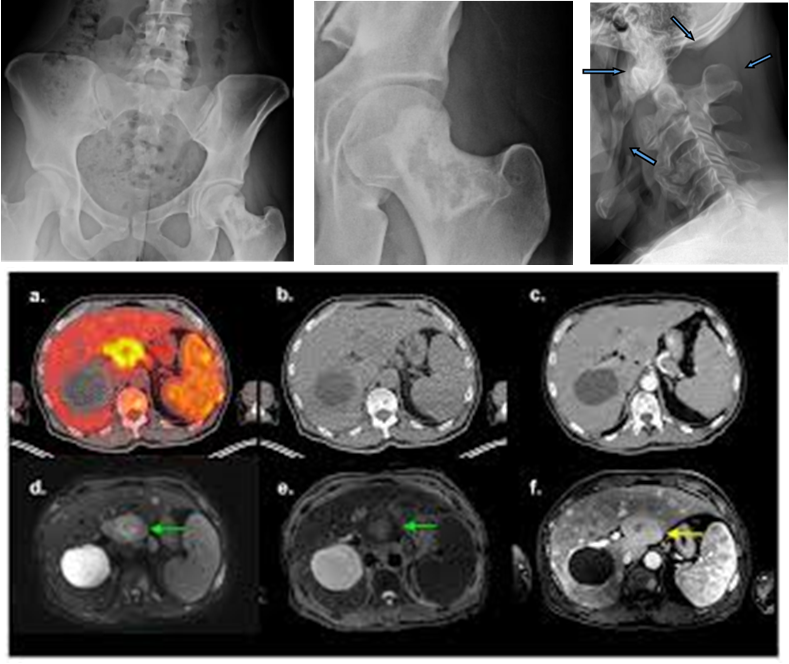
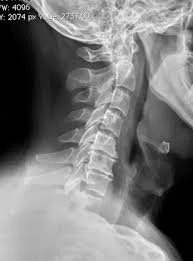
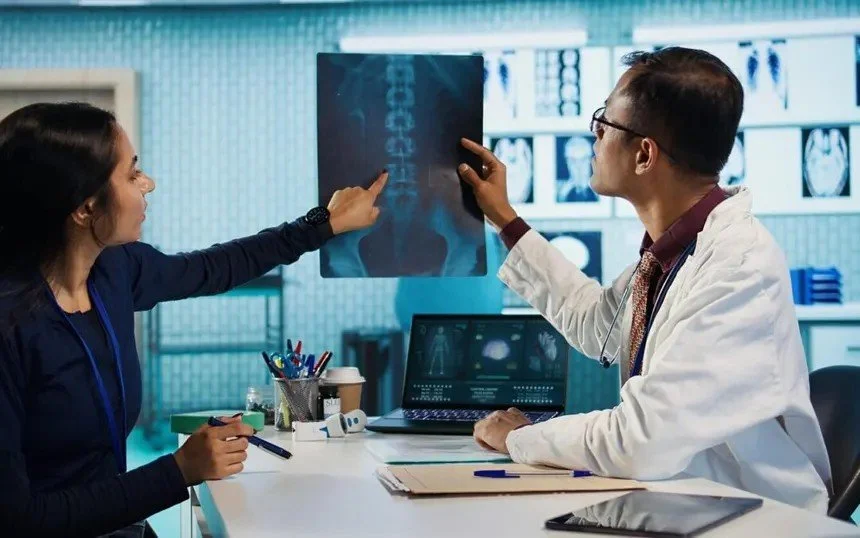
Dr. Steve Gould will begin the day with Lumbar and Cervical trauma and oddities in imaging and end the day with surprises you may see in your practice. He will review what he sees on the images and teach what to look for.
Dr. Gould will guide you through these cases and show you ways to insure you don’t miss critical issues. Join us to practice reading what you are seeing to ensure you provide the best treatment for your patients.
Conducting Chiropractic Research & Getting Published
The seminar is intended for the practicing chiropractor who would like to learn about
a. The benefits of learning, doing, and publishing your research
b. Doing research in a chiropractic office in particular
c. Research methods in general
d. Getting published in a peer-reviewed science journal
The Role of Chiropractic in Managing Dementia
Join us to learn non-medical treatments and preventative concepts that can be effective in improving or slowing down dementia degeneration and improve your patient or loved one’s quality of life.
This seminar will explore the potential role of chiropractic care in the management of dementia
Professional Boundaries & Ethics
This course provides a review of Professional Boundaries and Ethics for the Chiropractic Profession. Information includes material from regulatory sources to satisfy Boundary and Ethics knowledge enhancement and requirements.
Chiropractic Risk Management
Dr. Morgan will review legal and medical risk management for your office. You will learn how to identify key areas of risk management in your office and with staff and patient relations. Learn potential legal and boundary issues and how to properly address or avoid them. Boundaries & Harassment between doctor, staff and patients will be discussed giving you a better understanding of how to handle specific situations. Understand how doctors and supervisors will be held responsible for the actions of their staff members and be able to identify what professional rules are as they relate to your practice.
Case Studies in Imaging with Surprises
Join Dr. Steve Gould in reviewing some actual case images with surprises! He will review what he sees on the images and teach what to look for. You will have the opportunity to learn if what you would have diagnosed is actually how each case resulted.
Dr. Gould will guide you through these cases and show you ways to insure you don’t miss critical issues. Join us to practice reading what you are seeing to ensure you provide the best treatment for your patients.
Assessment Techniques Using Heart Rate & Skin Variables
This seminar teaches chiropractors the rationale, procedure, and interpretation of evidence-based in-office testing that will monitor ANS changes following your spinal care, comparing pre- and post-adjustment findings.
The testing covered in this seminar includes:
a. Skin temperature analysis (symmetry and pattern models). Instruments include simple single probe infrared thermometers as well as the elaborate TyTron thermographic system
b. Resting heart rate and heart rate variability. Technology includes App-based methods as well as a three-lead ECG unit.
c. Sit-to-stand heart rate test using App and radial artery palpation.
If you’re looking for objective, evidence-based assessments to monitor autonomic function in your practice, this seminar is for you!
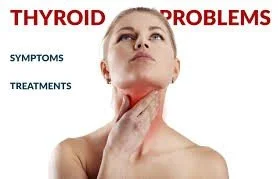
Understanding the Thyroid
In this seminar, you will learn:
1. Triggers for thyroid malfunction
2. Hyper- and Hypo- Thyroidism and how we can test for them
3. What Chiropractors can do to best treat patients with these problems
4. How to return to a properly functioning thyroid ronic inflammation. You will learn the common causes of chronic inflammation and what we as chiropractors can do to treat it.
Common Issues You shouldn't Miss on Imaging
In this seminar, Dr. Yochum will cover a systematic approach to evaluating plain films and digital imaging to better help you in your daily practice. She will also review a wide range of pathology such as sports injuries, arthritis, tumors and infection.
Dr. Yochum will present case studies and have you participate in diagnosing what you see on the image!
The Truth & Realities of Spondylos with Dr. Terry Yochum
Dr. Terry Yochum will share his expertise and knowledge on Spondylolysis and Spondylolisthesis in this extensive program. He will teach you what he has learned during his years of studying these issues. This is a special opportunity to learn from a renowned expert in this field!
Shoulders & Knees: Evaluation & Treatment with Laser Therapy
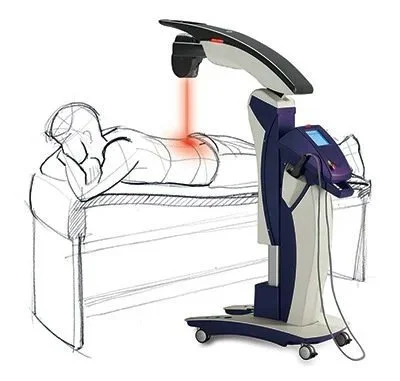
This class will focus on the evaluation and treatment with lasers of shoulders and knees. Dr. Tucker will review how to effectively perform laser therapy for common shoulder and knee problems. You will learn the effects that will occur with laser treatment and how those effects can elevate your other treatments to get your patients functioning better.
Conducting Chiropractic Research & Getting Published
The seminar is intended for the practicing chiropractor who would like to learn about
a. The benefits of learning, doing, and publishing your research
b. Doing research in a chiropractic office in particular
c. Research methods in general
d. Getting published in a peer-reviewed science journal
Nutritional Inflammation
Dr. Kendel will open the seminar with an in-depth exploration of the biochemical processes underlying inflammation and how acute inflammation can progress to chronic inflammation. Attendees will examine the important relationship between nutrition, gut health, intestinal permeability (“leaky gut”), and the gut microbiome, with a focus on how these factors may influence systemic inflammation and overall health.
Participants will learn to identify common nutritional, lifestyle, and physiological contributors to chronic inflammation and understand how dietary patterns and nutritional choices can impact the inflammatory response. The seminar will provide chiropractors with practical strategies for incorporating nutrition and chiropractic care into a comprehensive approach to patient wellness, while recognizing inflammatory patterns and supporting healthy physiological function within the chiropractic scope of practice.
Professional Boundaries & Ethics
This course provides a regulatory-focused review of professional boundaries and ethical standards for the chiropractic profession. Content is based on applicable laws, rules, and regulatory guidance to help chiropractors understand and meet continuing education requirements related to professional boundaries and ethics. Participants will gain practical knowledge to support ethical decision-making, maintain appropriate professional relationships, and promote compliance with professional and regulatory standards.
Sexual Harassment in Chiropractic Practice: Rules & Requirements
This course provides an overview of sexual harassment laws, regulations, and professional requirements applicable to the chiropractic profession. Participants will review key information from regulatory and authoritative sources to better understand sexual harassment prevention, compliance, and professional responsibilities.
Recognizing Trauma Responses and Their Impact on Chiropractic Care
This course will help chiropractors recognize trauma-related responses and better understand how past experiences may affect the patient-provider relationship and clinical care. Learn practical strategies for creating a more supportive, trauma-informed approach to examination and treatment—while minimizing the risk of unintentionally triggering prior trauma.
Gain the knowledge and tools to improve patient comfort, strengthen trust, and provide more effective, patient-centered chiropractic care.
Chiropractic Risk Management: Legal, Ethical & Professional Responsibilities
This course provides an overview of legal and medical risk management in the chiropractic office, helping practitioners identify and address potential areas of risk involving staff, patients, and professional relationships. Participants will learn to recognize common legal, ethical, and boundary issues and develop strategies to appropriately manage or prevent them.
The course will address professional boundaries and harassment involving doctors, staff, and patients, with practical guidance for handling challenging situations. Participants will also gain a better understanding of supervisory responsibility and professional accountability, including how doctors and practice supervisors may be held responsible for the actions of their staff. Key professional rules and responsibilities as they relate to everyday practice will also be reviewed.
Treating Common Sports Injuries
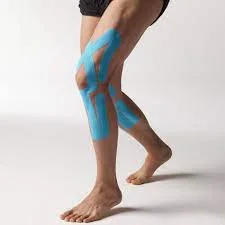
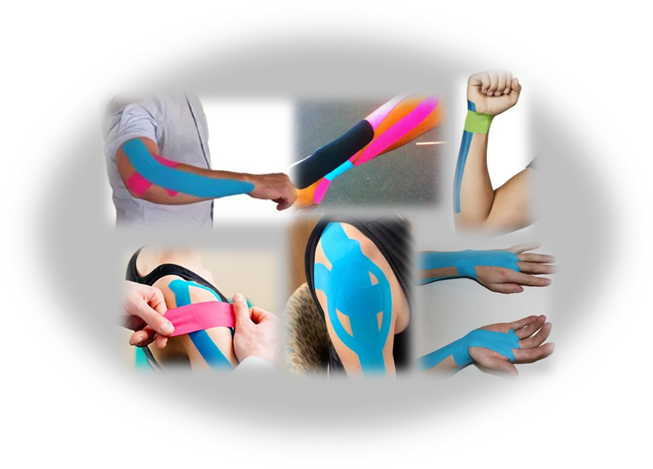
In this seminar, Dr. Morgan will provide chiropractors with practical, clinically relevant strategies for evaluating and treating common injuries in active and athletic patients. Participants will learn how to apply assessment, treatment, and taping techniques to improve patient care, restore function, and support a safe return to activity.
Annual Insurance & Billing Updates: Stay Current, Get Paid & Stay Compliant
Insurance rules are changing—and what you document can directly impact your claims, reimbursement, and participation in insurance networks. This practical seminar will help chiropractors navigate the evolving insurance landscape while strengthening their documentation, billing, and claims practices.
Learn how to properly and completely document the services you provide, including effective SOAP notes, accurate coding support, and the documentation insurers expect when reviewing a claim. We’ll examine common documentation and billing mistakes that can lead to claim denials, payment issues, audits, and compliance concerns—and, more importantly, how to avoid them.
The seminar will also explore how insurance companies and payers analyze provider coding and billing patterns, including how code utilization may be tracked and reviewed when determining whether claims warrant additional scrutiny.
Chiropractic Assistant Clinical Skills: Applications, Protocols & Patient Care
This course expands the Chiropractic Assistant’s (CA/CT) knowledge and skills through practical instruction in clinical application protocols commonly encountered in the chiropractic setting. Participants will develop a stronger understanding of the CA’s/CT’s role in supporting patient care, following established clinical protocols, and contributing to efficient clinic operations.
Special emphasis will be placed on delivering exceptional patient service and maintaining a high standard of care throughout the patient experience. The course also addresses the importance of proper communication, documentation, and coordination between the chiropractor and CA/CT.
Understanding Upper Crossed Syndrome: Identify the Imbalance, Correct the Pattern
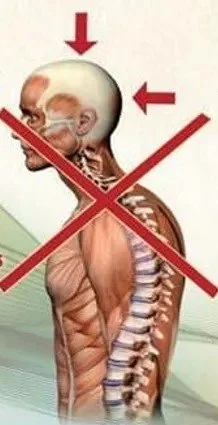
In this clinically focused seminar, chiropractors will learn how to recognize the characteristic pattern of Upper Crossed Syndrome, identify the underlying muscular dysfunction, and develop targeted strategies to improve posture, movement, and function.
Participants will explore the relationships between muscle tightness, weakness, inhibition, and overactivity and how these imbalances can influence the cervical spine, thoracic spine, shoulders, and overall biomechanics.
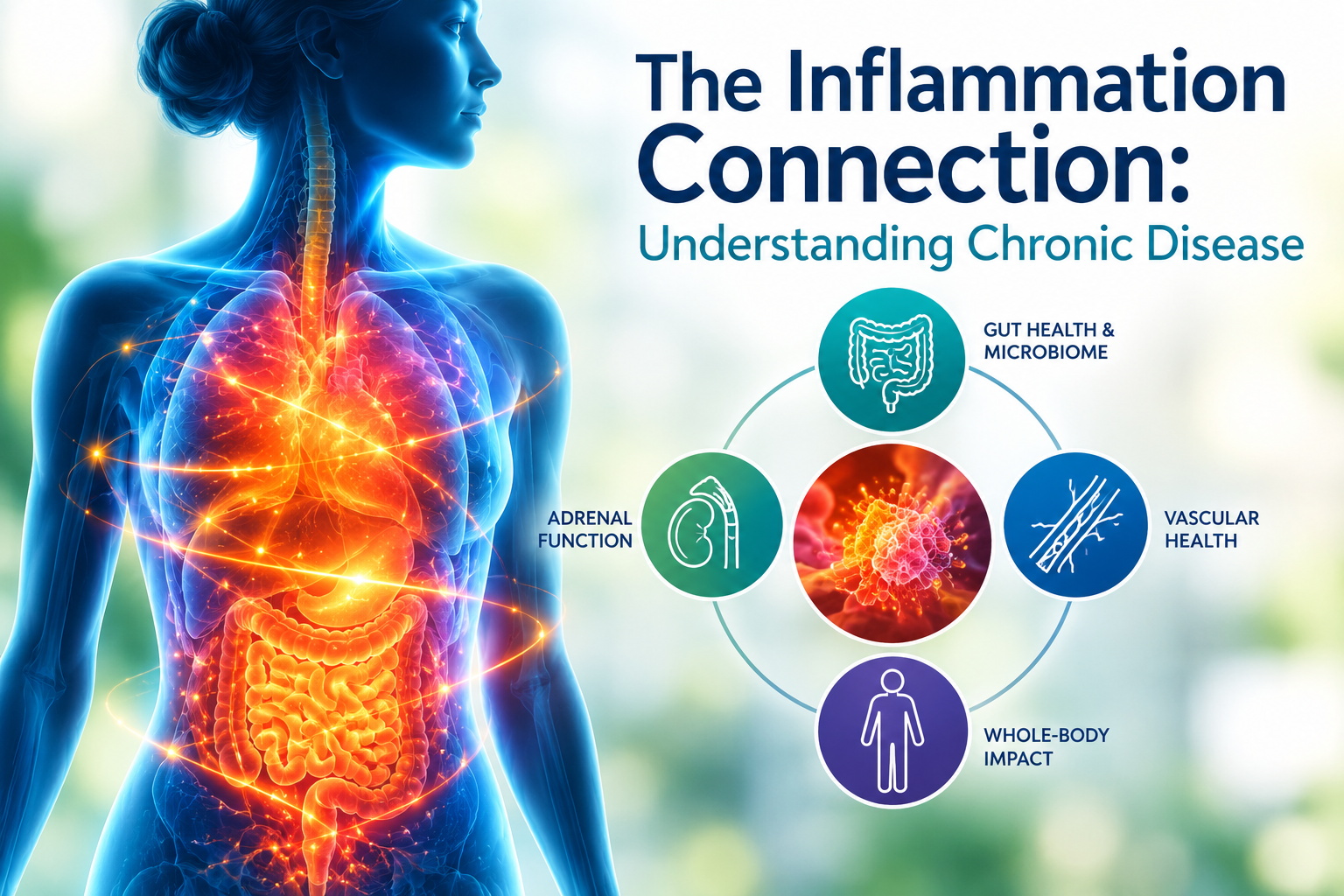
The Inflammation Connection - Understanding Chronic Disease
Dr. Kendel will open the seminar with an in-depth exploration of the biochemical processes underlying inflammation and how acute inflammation can progress to chronic inflammation. Attendees will examine the important relationship between nutrition, gut health, intestinal permeability (“leaky gut”), and the gut microbiome, with a focus on how these factors may influence systemic inflammation and overall health.
Participants will learn to identify common nutritional, lifestyle, and physiological contributors to chronic inflammation and understand how dietary patterns and nutritional choices can impact the inflammatory response. The seminar will provide chiropractors with practical strategies for incorporating nutrition and chiropractic care into a comprehensive approach to patient wellness, while recognizing inflammatory patterns and supporting healthy physiological function within the chiropractic scope of practice.
Walk away with a broader understanding of chronic inflammation and new clinical perspectives for helping your patients address the factors that may be contributing to their health challenges.
Cervical Radiculopathies: Advanced Assessment & Evidence-Informed Treatment
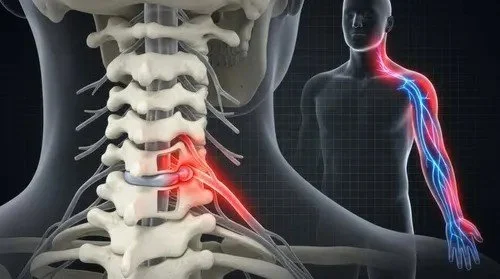
Learn a comprehensive, clinically proven approach to the examination, diagnosis, and treatment of the cervical and upper thoracic spine. Through a structured evaluation and treatment system, you’ll develop the skills to identify relevant pathology, determine appropriate treatment strategies, and deliver more precise, effective care.
Whether you’re looking to sharpen your examination skills, expand your treatment approach, or become more confident managing complex cervical spine presentations, this system gives you a practical framework you can apply immediately in clinical practice.
Know the Signs, Know Your Responsibility: Child Abuse Reporting
The course will examine the physical, behavioral, and emotional signs associated with various forms of abuse and neglect, including physical abuse, sexual abuse, emotional abuse, and neglect. Participants will also explore risk factors, appropriate professional responses, documentation considerations, and mandatory reporting responsibilities.
This seminar provides essential knowledge for practitioners who want to be better prepared to recognize the signs, understand their responsibilities, and take appropriate action when a child may be at risk.
Knee Injury Care Essentials: Assessment, Treatment & Taping
In this course, Dr. Morgan provides a practical, hands-on approach to assessing the knee and developing effective treatment and taping strategies to optimize function and patient outcomes. The course also features video demonstrations of taping techniques for a variety of common knee conditions and injuries.
Understanding Diagnostic Ultrasounds: Recognizing the Findings That Matter
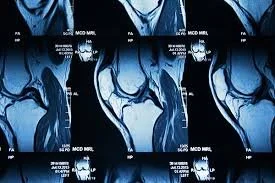
Join Dr. Alicia Yochum for a clinically focused seminar that combines extremity MRI interpretation with diagnostic ultrasound to help you develop a more comprehensive approach to evaluating musculoskeletal conditions. Dr. Yochum will teach a systematic method for reviewing MRI and diagnostic ultrasound findings, identifying abnormalities, and recognizing areas that deserve closer attention.
You’ll learn what to look for on diagnostic ultrasound, how to evaluate what you are seeing, and how ultrasound findings can complement MRI interpretation to provide greater clinical insight. The course will emphasize recognizing significant pathology, identifying potential red flags, and determining when additional evaluation or referral may be appropriate.
The Truth & Realities of Spondylos with Dr. Terry Yochum
Join Dr. Terry Yochum, internationally recognized for his expertise in chiropractic radiology and musculoskeletal imaging, for an in-depth program focused on the evaluation and management of spondylolysis and spondylolisthesis.
Drawing from decades of clinical experience, advanced radiological knowledge, and extensive study of spinal disorders, Dr. Yochum will provide chiropractors with practical insights to improve their ability to recognize, evaluate, and appropriately manage these challenging conditions.
This unique opportunity allows you to learn directly from a highly respected authority in chiropractic radiology and gain a deeper understanding of the clinical and radiographic considerations that can influence patient care.
Adrenal Fatigue & Inflammation: Clinical Nutrition Strategies for Chiropractors
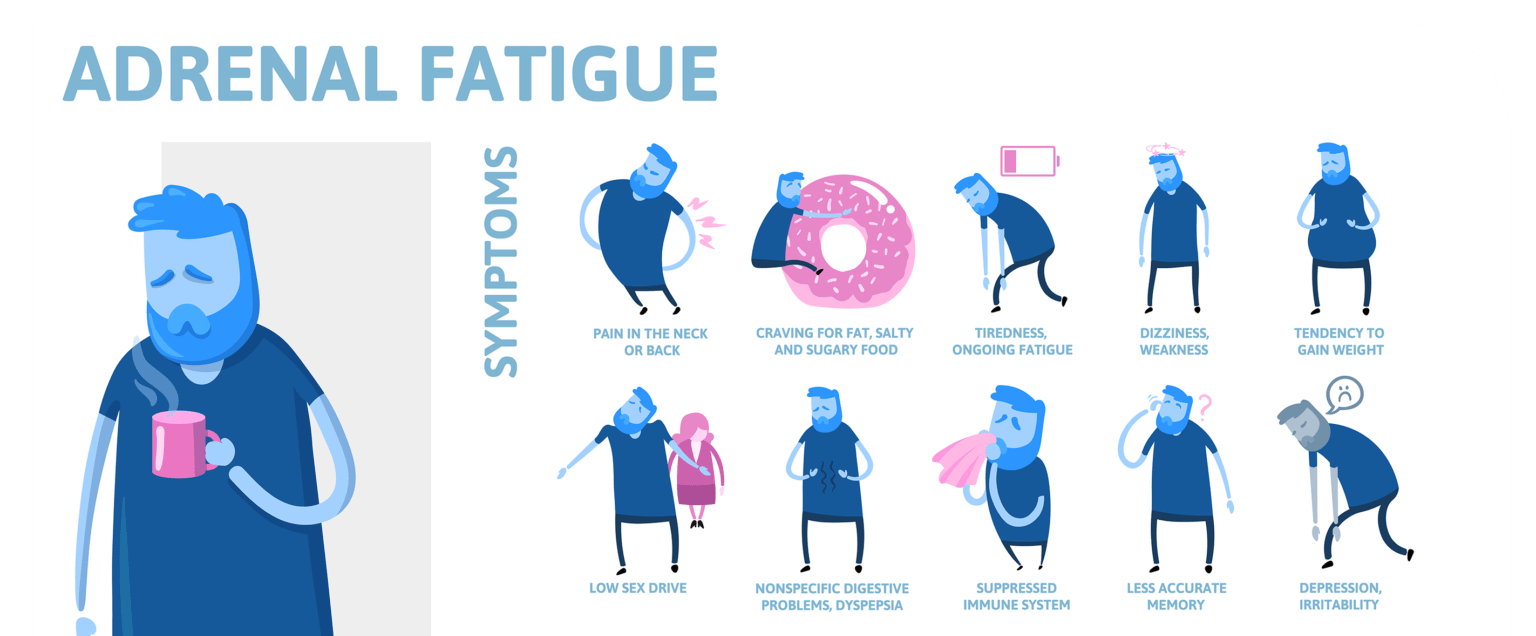
This seminar is designed to help chiropractors better understand the relationship between inflammation, nutrition, stress, adrenal function, and cardiovascular health. Dr. Kendel will walk you through important laboratory markers, discuss levels associated with optimal adrenal and cardiovascular function, and provide practical strategies to help you identify areas of concern in your patients.
Walk away with greater confidence, valuable clinical insights, and practical tools you can use to enhance your approach to patient care.
Beyond the Spine: Inflammation, Heart Health & Chiropractic Care
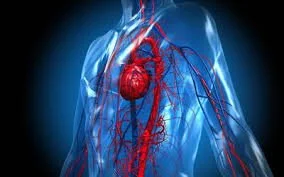
Dr. Kendel will kick off the seminar by discussing the biochemical processes behind inflammation and how acute inflammation can progress into chronic inflammation. He will explore the impact of chronic inflammation on adrenal function, vascular health, and the body’s ability to heal—and how these factors can influence chiropractic treatment and patient outcomes.
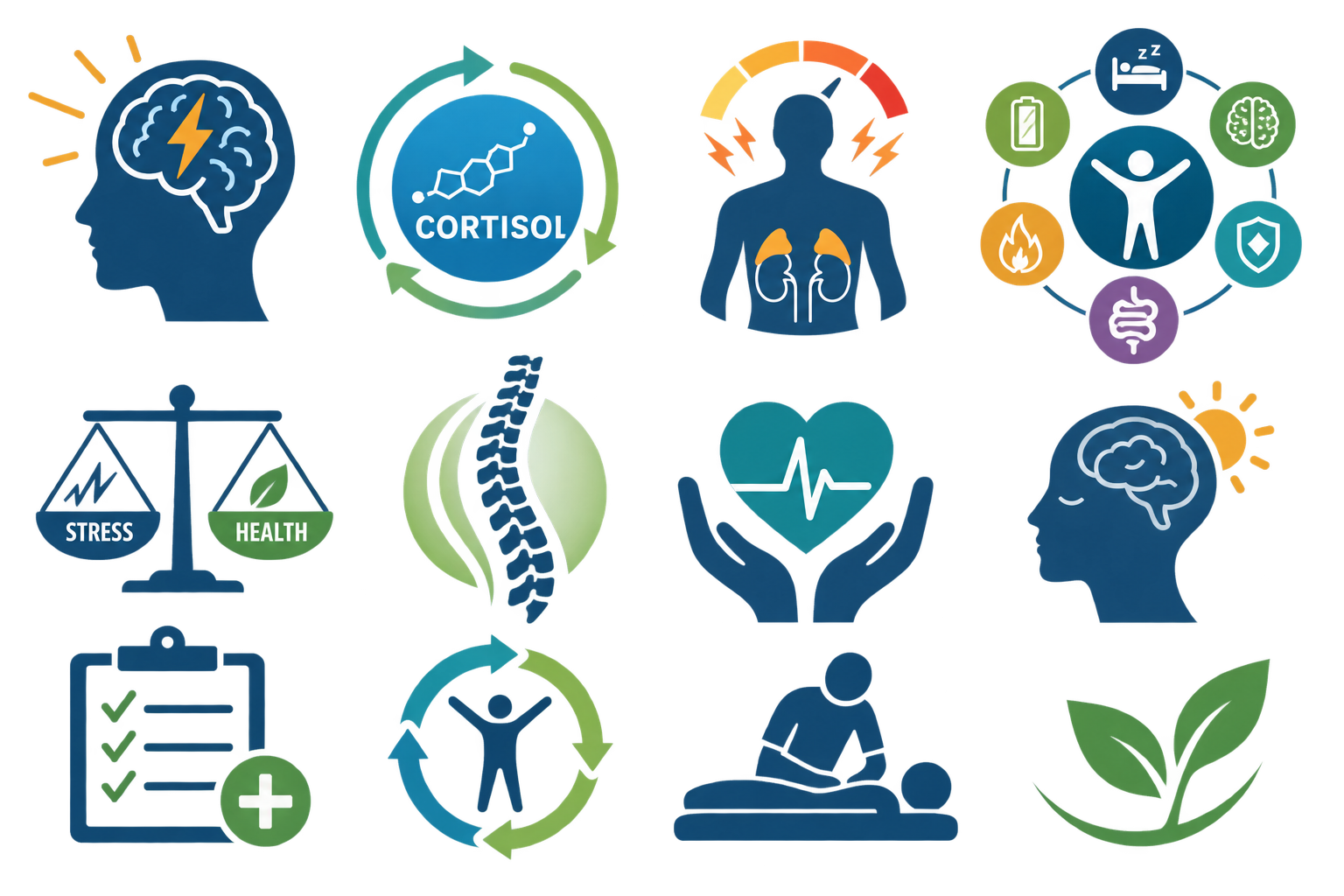
Cortisol & Stress: From Patient Health Challenges to Chiropractic Care Strategies
This seminar takes a closer look at the connection between chronic stress, cortisol, and adrenal function, helping chiropractors recognize common signs and clinical patterns associated with prolonged stress. Explore how ongoing stress may influence energy levels, sleep, immune function, metabolism, inflammation, and the body’s ability to adapt and recover.
Learn practical approaches for incorporating stress and adrenal health considerations into patient assessment and education. The course will also explore cortisol testing and relevant laboratory markers, how to interpret findings within a broader clinical picture, and when additional evaluation or referral may be appropriate.
Walk away with clinically relevant knowledge you can use to better understand your patients, recognize potential stress-related concerns, and support a more comprehensive approach to chiropractic care.
Know the Signs, Know Your Responsibility: Child Abuse Reporting
The course will examine the physical, behavioral, and emotional signs associated with various forms of abuse and neglect, including physical abuse, sexual abuse, emotional abuse, and neglect. Participants will also explore risk factors, appropriate professional responses, documentation considerations, and mandatory reporting responsibilities.
This seminar provides essential knowledge for practitioners who want to be better prepared to recognize the signs, understand their responsibilities, and take appropriate action when a child may be at risk.
Turn Your Clinical Experience Into Research That Matters
You see questions in your practice every day. What if you could turn those questions into research—and ultimately into published scientific evidence?
This seminar is designed specifically for practicing chiropractors who want to understand how research can become a powerful part of their professional practice and contribute to the future of chiropractic care.
You’ll discover how to move beyond simply reading research to doing research, sharing your findings, and getting published.
Case Studies in Imaging with Surprises
Dr. Gould will begin the day by exploring imaging oddities and uncommon findings, teaching you what to look for, how to recognize potential areas of concern, and when an unexpected finding may warrant further evaluation. The day will conclude with a look at clinical surprises you may encounter in everyday practice, using real-world cases to sharpen your observation and interpretation skills.
Through guided case reviews, Dr. Gould will demonstrate what he sees on the images, why specific findings matter, and how to approach potentially significant abnormalities. You’ll develop a more systematic approach to evaluating imaging and learn practical strategies for recognizing findings that may otherwise be overlooked.
Professional Boundaries & Ethics
This course provides a regulatory-focused review of professional boundaries and ethical standards for the chiropractic profession. Content is based on applicable laws, rules, and regulatory guidance to help chiropractors understand and meet continuing education requirements related to professional boundaries and ethics. Participants will gain practical knowledge to support ethical decision-making, maintain appropriate professional relationships, and promote compliance with professional and regulatory standards.
When to Adjust: Objective Neurological Indicators for Chiropractic Care
Enhance Your Chiropractic Care with Practical Neurological Indicators
Learn how heart rate and skin temperature measurements can provide valuable neurological insights to help chiropractors assess patient status, guide clinical decision-making, and evaluate responses to chiropractic care.
This seminar introduces clinician-friendly, evidence-informed methods for using autonomic and physiological measures as part of the chiropractic assessment process. You’ll learn how to establish meaningful baseline measurements, recognize changes in neurological function, and use objective data to help determine appropriate timing for intervention and assess patient response.
Nutritional Inflammation
Dr. Kendel will open the seminar with an in-depth exploration of the biochemical processes underlying inflammation and how acute inflammation can progress to chronic inflammation. Attendees will examine the important relationship between nutrition, gut health, intestinal permeability (“leaky gut”), and the gut microbiome, with a focus on how these factors may influence systemic inflammation and overall health.
Participants will learn to identify common nutritional, lifestyle, and physiological contributors to chronic inflammation and understand how dietary patterns and nutritional choices can impact the inflammatory response. The seminar will provide chiropractors with practical strategies for incorporating nutrition and chiropractic care into a comprehensive approach to patient wellness, while recognizing inflammatory patterns and supporting healthy physiological function within the chiropractic scope of practice.
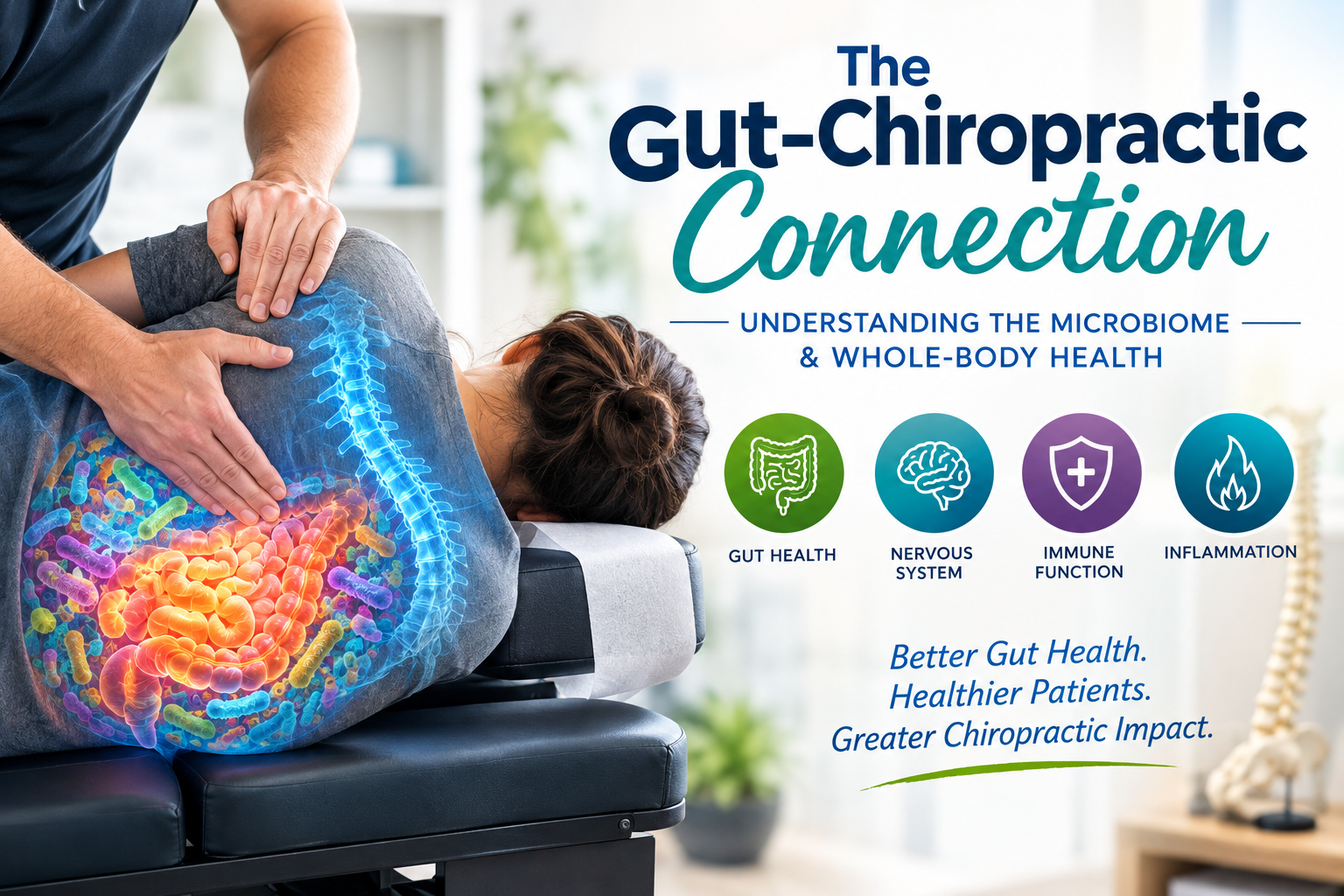
The Gut–Chiropractic Connection: Understanding the Microbiome & Whole-Body Health
Take a deeper look at the microbiome—and discover why understanding the gut may be an important piece of the bigger picture in chiropractic patient care.
Dr. Kendel will take you inside the microbiome to examine the balance between beneficial and potentially harmful microorganisms, what can disrupt that balance, and how changes in the gut environment may influence patient health. You’ll explore the relationship between the gut, immune system, inflammation, and nervous system and why these connections matter to chiropractors.
Most importantly, the seminar focuses on where chiropractic care fits into the bigger picture. Learn how chiropractors can recognize factors that may contribute to poor gut health, educate patients about lifestyle and nutritional considerations, and incorporate a broader understanding of the gut–body connection into a comprehensive approach to patient care.
Chiropractic Assistant Clinical Skills: Applications, Protocols & Patient Care
This course expands the Chiropractic Assistant’s (CA/CT) knowledge and skills through practical instruction in clinical application protocols commonly encountered in the chiropractic setting. Participants will develop a stronger understanding of the CA’s/CT’s role in supporting patient care, following established clinical protocols, and contributing to efficient clinic operations.
Special emphasis will be placed on delivering exceptional patient service and maintaining a high standard of care throughout the patient experience. The course also addresses the importance of proper communication, documentation, and coordination between the chiropractor and CA/CT.
When to Adjust: Objective Neurological Indicators for Chiropractic Care
Enhance Your Chiropractic Care with Practical Neurological Indicators
Learn how heart rate and skin temperature measurements can provide valuable neurological insights to help chiropractors assess patient status, guide clinical decision-making, and evaluate responses to chiropractic care.
This seminar introduces clinician-friendly, evidence-informed methods for using autonomic and physiological measures as part of the chiropractic assessment process. You’ll learn how to establish meaningful baseline measurements, recognize changes in neurological function, and use objective data to help determine appropriate timing for intervention and assess patient response.
Implicit Bias & Cultural Competence in Healthcare
In this seminar, Dr. Morgan will explore:
The different types of bias and how they influence interactions and decision-making
How to recognize bias in yourself and others
Strategies to identify and minimize the impact of bias
What diversity means and why it matters in the professional setting
Common barriers that can prevent or limit diversity
Practices and approaches that foster a more inclusive and diverse environment
Adrenal Fatigue & Inflammation: Clinical Nutrition Strategies for Chiropractors
This seminar is designed to help chiropractors better understand the relationship between inflammation, nutrition, stress, adrenal function, and cardiovascular health. Dr. Kendel will walk you through important laboratory markers, discuss levels associated with optimal adrenal and cardiovascular function, and provide practical strategies to help you identify areas of concern in your patients.
Walk away with greater confidence, valuable clinical insights, and practical tools you can use to enhance your approach to patient care.
Cortisol & Stress: From Patient Health Challenges to Chiropractic Care Strategies
This seminar takes a closer look at the connection between chronic stress, cortisol, and adrenal function, helping chiropractors recognize common signs and clinical patterns associated with prolonged stress. Explore how ongoing stress may influence energy levels, sleep, immune function, metabolism, inflammation, and the body’s ability to adapt and recover.
Learn practical approaches for incorporating stress and adrenal health considerations into patient assessment and education. The course will also explore cortisol testing and relevant laboratory markers, how to interpret findings within a broader clinical picture, and when additional evaluation or referral may be appropriate.
Walk away with clinically relevant knowledge you can use to better understand your patients, recognize potential stress-related concerns, and support a more comprehensive approach to chiropractic care.
Understanding Diagnostic Ultrasounds: Recognizing the Findings That Matter
Join Dr. Alicia Yochum for a clinically focused seminar that combines extremity MRI interpretation with diagnostic ultrasound to help you develop a more comprehensive approach to evaluating musculoskeletal conditions. Dr. Yochum will teach a systematic method for reviewing MRI and diagnostic ultrasound findings, identifying abnormalities, and recognizing areas that deserve closer attention.
You’ll learn what to look for on diagnostic ultrasound, how to evaluate what you are seeing, and how ultrasound findings can complement MRI interpretation to provide greater clinical insight. The course will emphasize recognizing significant pathology, identifying potential red flags, and determining when additional evaluation or referral may be appropriate.
The Truth & Realities of Spondylos with Dr. Terry Yochum
Join Dr. Terry Yochum, internationally recognized for his expertise in chiropractic radiology and musculoskeletal imaging, for an in-depth program focused on the evaluation and management of spondylolysis and spondylolisthesis.
Drawing from decades of clinical experience, advanced radiological knowledge, and extensive study of spinal disorders, Dr. Yochum will provide chiropractors with practical insights to improve their ability to recognize, evaluate, and appropriately manage these challenging conditions.
This unique opportunity allows you to learn directly from a highly respected authority in chiropractic radiology and gain a deeper understanding of the clinical and radiographic considerations that can influence patient care.
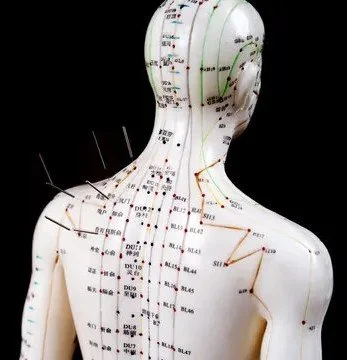
Beyond Adjustments: Harnessing Acupuncture for Movement, Function & Pain Relief
In this dynamic, clinically focused seminar, you’ll explore the latest knowledge in anatomy, physiology, pathology, and evidence-based acupuncture.
Dr. Carter will provide an in-depth look at key trigger points, including where they are located and how they can influence movement, mobility, and overall function.
Chiropractic Assistant Clinical Skills: Applications, Protocols & Patient Care
This course expands the Chiropractic Assistant’s (CA/CT) knowledge and skills through practical instruction in clinical application protocols commonly encountered in the chiropractic setting. Participants will develop a stronger understanding of the CA’s/CT’s role in supporting patient care, following established clinical protocols, and contributing to efficient clinic operations.
Special emphasis will be placed on delivering exceptional patient service and maintaining a high standard of care throughout the patient experience. The course also addresses the importance of proper communication, documentation, and coordination between the chiropractor and CA/CT.
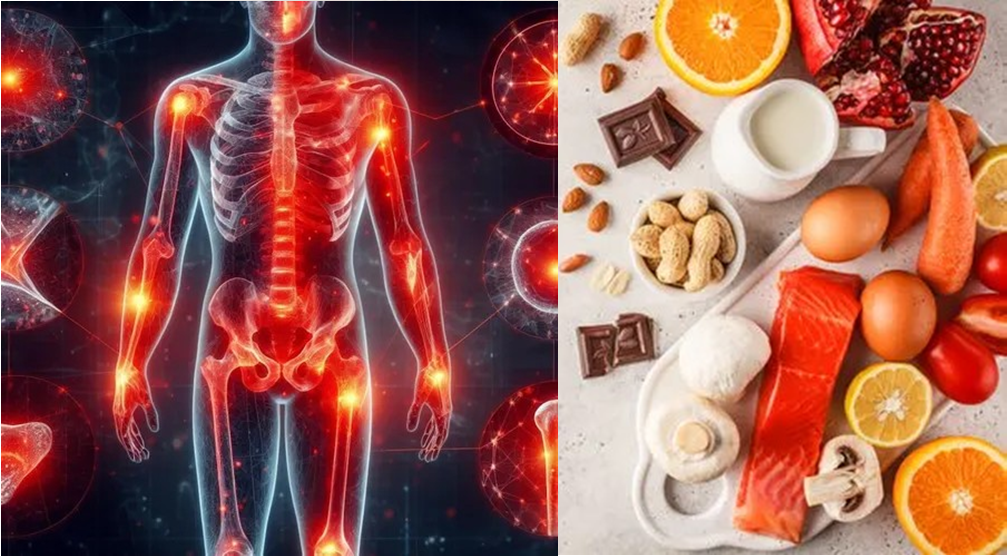
From Food Sensitivities to Chronic Inflammation: Clinical Insights for Chiropractors
What if the inflammation affecting your patient’s health isn’t coming from where you think?
Persistent inflammation, recurring pain, slow recovery, fatigue, and other common patient complaints may be influenced by factors beyond the musculoskeletal system. Food sensitivities, gut health, nutritional factors, and immune responses can all contribute to the inflammatory environment—and understanding these connections can help chiropractors take a more comprehensive approach to patient care.
In this clinically focused seminar, chiropractors will explore the connection between food sensitivities, the gut microbiome, nutrition, immune function, and chronic inflammation and how these factors may influence patient health and recovery. Participants will learn how to recognize potential patterns, ask more meaningful questions, educate patients more effectively, and incorporate appropriate nutrition and lifestyle considerations into chiropractic care.
Clinical Clarity: Assessment, Documentation & Phases of Care
In this practical session, Dr. Darrach will go beyond the Oswestry and NDI to review additional assessment tools, what they measure, how to interpret them, and how to incorporate them into your everyday clinical practice.
You’ll also learn how to recognize and appropriately manage the transition between acute, chronic, and maintenance/wellness care. Understanding these distinctions is critical—not only for sound clinical decision-making, but also for proper documentation and reducing exposure during post-payment audits.
Know the Signs, Know Your Responsibility: Child Abuse Reporting
The course will examine the physical, behavioral, and emotional signs associated with various forms of abuse and neglect, including physical abuse, sexual abuse, emotional abuse, and neglect. Participants will also explore risk factors, appropriate professional responses, documentation considerations, and mandatory reporting responsibilities.
This seminar provides essential knowledge for practitioners who want to be better prepared to recognize the signs, understand their responsibilities, and take appropriate action when a child may be at risk.
Beyond the Spine: Inflammation, Heart Health & Chiropractic Care
Dr. Kendel will kick off the seminar by discussing the biochemical processes behind inflammation and how acute inflammation can progress into chronic inflammation. He will explore the impact of chronic inflammation on adrenal function, vascular health, and the body’s ability to heal—and how these factors can influence chiropractic treatment and patient outcomes.
Hip to Foot: Practical Assessment, Treatment & Taping Techniques for Lower Extremities
In this course, Dr. Morgan will take you through the assessment and treatment of common lower-extremity injuries involving the hip, pelvis, knee, ankle, and foot. You’ll learn practical chiropractic techniques, functional assessment strategies, and treatment approaches designed to help develop effective care plans and improve patient outcomes.
The course also features video demonstrations of a variety of taping techniques for common knee, ankle, and foot conditions, providing practical tools you can apply in your practice.
Cracking the Thyroid Code: The Gut, Inflammation & Chiropractic Connection
In this engaging seminar, Dr. Kendel will take you inside the biochemistry of thyroid dysfunction, exploring the underlying factors that can contribute to both hypothyroidism and hyperthyroidism. You’ll discover how gut health, intestinal permeability (“leaky gut”), and the gut microbiome can influence thyroid function—and why understanding these connections can transform the way you approach patient care.
Most importantly, you’ll learn how chiropractors can play an important role in supporting patients with thyroid-related challenges and how to incorporate this knowledge into a more comprehensive approach to care.
Turn Your Clinical Experience Into Research That Matters
You see questions in your practice every day. What if you could turn those questions into research—and ultimately into published scientific evidence?
This seminar is designed specifically for practicing chiropractors who want to understand how research can become a powerful part of their professional practice and contribute to the future of chiropractic care.
You’ll discover how to move beyond simply reading research to doing research, sharing your findings, and getting published.
Chiropractic Risk Management: Legal, Ethical & Professional Responsibilities
This course provides an overview of legal and medical risk management in the chiropractic office, helping practitioners identify and address potential areas of risk involving staff, patients, and professional relationships. Participants will learn to recognize common legal, ethical, and boundary issues and develop strategies to appropriately manage or prevent them.
The course will address professional boundaries and harassment involving doctors, staff, and patients, with practical guidance for handling challenging situations. Participants will also gain a better understanding of supervisory responsibility and professional accountability, including how doctors and practice supervisors may be held responsible for the actions of their staff. Key professional rules and responsibilities as they relate to everyday practice will also be reviewed.
Recognizing Trauma Responses and Their Impact on Chiropractic Care
This course will help chiropractors recognize trauma-related responses and better understand how past experiences may affect the patient-provider relationship and clinical care. Learn practical strategies for creating a more supportive, trauma-informed approach to examination and treatment—while minimizing the risk of unintentionally triggering prior trauma.
Gain the knowledge and tools to improve patient comfort, strengthen trust, and provide more effective, patient-centered chiropractic care.
Professional Boundaries & Ethics
This course provides a regulatory-focused review of professional boundaries and ethical standards for the chiropractic profession. Content is based on applicable laws, rules, and regulatory guidance to help chiropractors understand and meet continuing education requirements related to professional boundaries and ethics. Participants will gain practical knowledge to support ethical decision-making, maintain appropriate professional relationships, and promote compliance with professional and regulatory standards.
Sexual Harassment in Chiropractic Practice: Rules & Requirements
This course provides an overview of sexual harassment laws, regulations, and professional requirements applicable to the chiropractic profession. Participants will review key information from regulatory and authoritative sources to better understand sexual harassment prevention, compliance, and professional responsibilities.
When to Adjust: Objective Neurological Indicators for Chiropractic Care
Enhance Your Chiropractic Care with Practical Neurological Indicators
Learn how heart rate and skin temperature measurements can provide valuable neurological insights to help chiropractors assess patient status, guide clinical decision-making, and evaluate responses to chiropractic care.
This seminar introduces clinician-friendly, evidence-informed methods for using autonomic and physiological measures as part of the chiropractic assessment process. You’ll learn how to establish meaningful baseline measurements, recognize changes in neurological function, and use objective data to help determine appropriate timing for intervention and assess patient response.
Treating Common Sports Injuries
In this seminar, Dr. Morgan will provide chiropractors with practical, clinically relevant strategies for evaluating and treating common injuries in active and athletic patients. Participants will learn how to apply assessment, treatment, and taping techniques to improve patient care, restore function, and support a safe return to activity.
The Gut–Chiropractic Connection: Understanding the Microbiome & Whole-Body Health
Take a deeper look at the microbiome—and discover why understanding the gut may be an important piece of the bigger picture in chiropractic patient care.
Dr. Kendel will take you inside the microbiome to examine the balance between beneficial and potentially harmful microorganisms, what can disrupt that balance, and how changes in the gut environment may influence patient health. You’ll explore the relationship between the gut, immune system, inflammation, and nervous system and why these connections matter to chiropractors.
Most importantly, the seminar focuses on where chiropractic care fits into the bigger picture. Learn how chiropractors can recognize factors that may contribute to poor gut health, educate patients about lifestyle and nutritional considerations, and incorporate a broader understanding of the gut–body connection into a comprehensive approach to patient care.
The Inflammation Connection - Understanding Chronic Disease
Dr. Kendel will open the seminar with an in-depth exploration of the biochemical processes underlying inflammation and how acute inflammation can progress to chronic inflammation. Attendees will examine the important relationship between nutrition, gut health, intestinal permeability (“leaky gut”), and the gut microbiome, with a focus on how these factors may influence systemic inflammation and overall health.
Participants will learn to identify common nutritional, lifestyle, and physiological contributors to chronic inflammation and understand how dietary patterns and nutritional choices can impact the inflammatory response. The seminar will provide chiropractors with practical strategies for incorporating nutrition and chiropractic care into a comprehensive approach to patient wellness, while recognizing inflammatory patterns and supporting healthy physiological function within the chiropractic scope of practice.
Walk away with a broader understanding of chronic inflammation and new clinical perspectives for helping your patients address the factors that may be contributing to their health challenges.
Cervical Radiculopathies: Advanced Assessment & Evidence-Informed Treatment
Learn a comprehensive, clinically proven approach to the examination, diagnosis, and treatment of the cervical and upper thoracic spine. Through a structured evaluation and treatment system, you’ll develop the skills to identify relevant pathology, determine appropriate treatment strategies, and deliver more precise, effective care.
Whether you’re looking to sharpen your examination skills, expand your treatment approach, or become more confident managing complex cervical spine presentations, this system gives you a practical framework you can apply immediately in clinical practice.
Turn Your Clinical Experience Into Research That Matters
You see questions in your practice every day. What if you could turn those questions into research—and ultimately into published scientific evidence?
This seminar is designed specifically for practicing chiropractors who want to understand how research can become a powerful part of their professional practice and contribute to the future of chiropractic care.
You’ll discover how to move beyond simply reading research to doing research, sharing your findings, and getting published.
Beyond the Image: Recognizing Hidden Findings in Chiropractic Practice
What you see on an image may be only the beginning. In this engaging, case-based seminar, chiropractors will sharpen their ability to recognize clinically significant findings on diagnostic imaging and identify abnormalities that may otherwise be overlooked.
Through a series of real-world imaging cases and unexpected findings, this course will take you beyond routine interpretation and challenge you to look more carefully at what the images are telling you. You’ll explore common and uncommon radiographic findings, subtle abnormalities, degenerative changes, trauma-related findings, and other clinical conditions that can influence patient management.
Implicit Bias & Cultural Competence in Healthcare
In this seminar, Dr. Morgan will explore:
The different types of bias and how they influence interactions and decision-making
How to recognize bias in yourself and others
Strategies to identify and minimize the impact of bias
What diversity means and why it matters in the professional setting
Common barriers that can prevent or limit diversity
Practices and approaches that foster a more inclusive and diverse environment
Adrenal Fatigue & Inflammation: Clinical Nutrition Strategies for Chiropractors
This seminar is designed to help chiropractors better understand the relationship between inflammation, nutrition, stress, adrenal function, and cardiovascular health. Dr. Kendel will walk you through important laboratory markers, discuss levels associated with optimal adrenal and cardiovascular function, and provide practical strategies to help you identify areas of concern in your patients.
Walk away with greater confidence, valuable clinical insights, and practical tools you can use to enhance your approach to patient care.
Nutritional Inflammation
Dr. Kendel will open the seminar with an in-depth exploration of the biochemical processes underlying inflammation and how acute inflammation can progress to chronic inflammation. Attendees will examine the important relationship between nutrition, gut health, intestinal permeability (“leaky gut”), and the gut microbiome, with a focus on how these factors may influence systemic inflammation and overall health.
Participants will learn to identify common nutritional, lifestyle, and physiological contributors to chronic inflammation and understand how dietary patterns and nutritional choices can impact the inflammatory response. The seminar will provide chiropractors with practical strategies for incorporating nutrition and chiropractic care into a comprehensive approach to patient wellness, while recognizing inflammatory patterns and supporting healthy physiological function within the chiropractic scope of practice.
Thyroid Malfunction: Common Triggers, Treatment Options & the Role of Chiropractic Care
The gut and thyroid are more closely connected than many practitioners realize. In this engaging continuing education seminar, Dr. Kendel will examine the relationship between intestinal health, intestinal permeability (“leaky gut”), the gut microbiome, and thyroid function—and why understanding these connections can be valuable when taking a whole-person approach to patient care.
Chiropractors will explore common factors that may contribute to thyroid dysfunction, the differences between hyperthyroidism and hypothyroidism, and the role that gastrointestinal health may play in supporting healthy thyroid function.
Through a functional, systems-based perspective, attendees will gain practical knowledge they can incorporate into patient education, clinical assessment, and collaborative care.
Know the Signs, Know Your Responsibility: Child Abuse Reporting
The course will examine the physical, behavioral, and emotional signs associated with various forms of abuse and neglect, including physical abuse, sexual abuse, emotional abuse, and neglect. Participants will also explore risk factors, appropriate professional responses, documentation considerations, and mandatory reporting responsibilities.
This seminar provides essential knowledge for practitioners who want to be better prepared to recognize the signs, understand their responsibilities, and take appropriate action when a child may be at risk.
When to Adjust: Objective Neurological Indicators for Chiropractic Care
Enhance Your Chiropractic Care with Practical Neurological Indicators
Learn how heart rate and skin temperature measurements can provide valuable neurological insights to help chiropractors assess patient status, guide clinical decision-making, and evaluate responses to chiropractic care.
This seminar introduces clinician-friendly, evidence-informed methods for using autonomic and physiological measures as part of the chiropractic assessment process. You’ll learn how to establish meaningful baseline measurements, recognize changes in neurological function, and use objective data to help determine appropriate timing for intervention and assess patient response.
From Food Sensitivities to Chronic Inflammation: Clinical Insights for Chiropractors
What if the inflammation affecting your patient’s health isn’t coming from where you think?
Persistent inflammation, recurring pain, slow recovery, fatigue, and other common patient complaints may be influenced by factors beyond the musculoskeletal system. Food sensitivities, gut health, nutritional factors, and immune responses can all contribute to the inflammatory environment—and understanding these connections can help chiropractors take a more comprehensive approach to patient care.
In this clinically focused seminar, chiropractors will explore the connection between food sensitivities, the gut microbiome, nutrition, immune function, and chronic inflammation and how these factors may influence patient health and recovery. Participants will learn how to recognize potential patterns, ask more meaningful questions, educate patients more effectively, and incorporate appropriate nutrition and lifestyle considerations into chiropractic care.
Cracking the Thyroid Code: The Gut, Inflammation & Chiropractic Connection
In this engaging seminar, Dr. Kendel will take you inside the biochemistry of thyroid dysfunction, exploring the underlying factors that can contribute to both hypothyroidism and hyperthyroidism. You’ll discover how gut health, intestinal permeability (“leaky gut”), and the gut microbiome can influence thyroid function—and why understanding these connections can transform the way you approach patient care.
Most importantly, you’ll learn how chiropractors can play an important role in supporting patients with thyroid-related challenges and how to incorporate this knowledge into a more comprehensive approach to care.
Professional Boundaries & Ethics
This course provides a regulatory-focused review of professional boundaries and ethical standards for the chiropractic profession. Content is based on applicable laws, rules, and regulatory guidance to help chiropractors understand and meet continuing education requirements related to professional boundaries and ethics. Participants will gain practical knowledge to support ethical decision-making, maintain appropriate professional relationships, and promote compliance with professional and regulatory standards.
Chiropractic Risk Management: Legal, Ethical & Professional Responsibilities
This course provides an overview of legal and medical risk management in the chiropractic office, helping practitioners identify and address potential areas of risk involving staff, patients, and professional relationships. Participants will learn to recognize common legal, ethical, and boundary issues and develop strategies to appropriately manage or prevent them.
The course will address professional boundaries and harassment involving doctors, staff, and patients, with practical guidance for handling challenging situations. Participants will also gain a better understanding of supervisory responsibility and professional accountability, including how doctors and practice supervisors may be held responsible for the actions of their staff. Key professional rules and responsibilities as they relate to everyday practice will also be reviewed.
Sexual Harassment in Chiropractic Practice: Rules & Requirements
This course provides an overview of sexual harassment laws, regulations, and professional requirements applicable to the chiropractic profession. Participants will review key information from regulatory and authoritative sources to better understand sexual harassment prevention, compliance, and professional responsibilities.
When to Adjust: Objective Neurological Indicators for Chiropractic Care
Enhance Your Chiropractic Care with Practical Neurological Indicators
Learn how heart rate and skin temperature measurements can provide valuable neurological insights to help chiropractors assess patient status, guide clinical decision-making, and evaluate responses to chiropractic care.
This seminar introduces clinician-friendly, evidence-informed methods for using autonomic and physiological measures as part of the chiropractic assessment process. You’ll learn how to establish meaningful baseline measurements, recognize changes in neurological function, and use objective data to help determine appropriate timing for intervention and assess patient response.
Cervical Radiculopathies: Advanced Assessment & Evidence-Informed Treatment
Learn a comprehensive, clinically proven approach to the examination, diagnosis, and treatment of the cervical and upper thoracic spine. Through a structured evaluation and treatment system, you’ll develop the skills to identify relevant pathology, determine appropriate treatment strategies, and deliver more precise, effective care.
Whether you’re looking to sharpen your examination skills, expand your treatment approach, or become more confident managing complex cervical spine presentations, this system gives you a practical framework you can apply immediately in clinical practice.
Annual Insurance & Billing Updates: Stay Current, Get Paid & Stay Compliant
Insurance rules are changing—and what you document can directly impact your claims, reimbursement, and participation in insurance networks. This practical seminar will help chiropractors navigate the evolving insurance landscape while strengthening their documentation, billing, and claims practices.
Learn how to properly and completely document the services you provide, including effective SOAP notes, accurate coding support, and the documentation insurers expect when reviewing a claim. We’ll examine common documentation and billing mistakes that can lead to claim denials, payment issues, audits, and compliance concerns—and, more importantly, how to avoid them.
The seminar will also explore how insurance companies and payers analyze provider coding and billing patterns, including how code utilization may be tracked and reviewed when determining whether claims warrant additional scrutiny.
Beyond the Spine: Inflammation, Heart Health & Chiropractic Care
Dr. Kendel will kick off the seminar by discussing the biochemical processes behind inflammation and how acute inflammation can progress into chronic inflammation. He will explore the impact of chronic inflammation on adrenal function, vascular health, and the body’s ability to heal—and how these factors can influence chiropractic treatment and patient outcomes.
Turn Your Clinical Experience Into Research That Matters
You see questions in your practice every day. What if you could turn those questions into research—and ultimately into published scientific evidence?
This seminar is designed specifically for practicing chiropractors who want to understand how research can become a powerful part of their professional practice and contribute to the future of chiropractic care.
You’ll discover how to move beyond simply reading research to doing research, sharing your findings, and getting published.
Beyond the Image: Recognizing Hidden Findings in Chiropractic Practice
What you see on an image may be only the beginning. In this engaging, case-based seminar, chiropractors will sharpen their ability to recognize clinically significant findings on diagnostic imaging and identify abnormalities that may otherwise be overlooked.
Through a series of real-world imaging cases and unexpected findings, this course will take you beyond routine interpretation and challenge you to look more carefully at what the images are telling you. You’ll explore common and uncommon radiographic findings, subtle abnormalities, degenerative changes, trauma-related findings, and other clinical conditions that can influence patient management.
Recognizing Trauma Responses and Their Impact on Chiropractic Care
This course will help chiropractors recognize trauma-related responses and better understand how past experiences may affect the patient-provider relationship and clinical care. Learn practical strategies for creating a more supportive, trauma-informed approach to examination and treatment—while minimizing the risk of unintentionally triggering prior trauma.
Gain the knowledge and tools to improve patient comfort, strengthen trust, and provide more effective, patient-centered chiropractic care.
Unlock the Mystery Behind Trigger Points
In this 2-hour seminar, you’ll explore the body’s major trigger points and learn how they can influence pain patterns, movement, mobility, and function. Dr. Carter will break down the anatomy and clinical significance of key trigger points, giving you practical, evidence-informed knowledge you can apply in your practice.
Understanding Upper Crossed Syndrome: Identify the Imbalance, Correct the Pattern
In this clinically focused seminar, chiropractors will learn how to recognize the characteristic pattern of Upper Crossed Syndrome, identify the underlying muscular dysfunction, and develop targeted strategies to improve posture, movement, and function.
Participants will explore the relationships between muscle tightness, weakness, inhibition, and overactivity and how these imbalances can influence the cervical spine, thoracic spine, shoulders, and overall biomechanics.
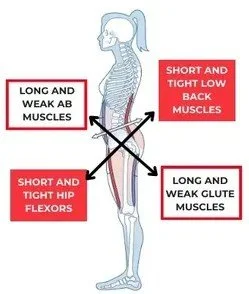
Lower Crossed Syndrome: Assessing Postural Imbalances and Improving Patient Function
Is your patient’s low back, hip, or lower-extremity complaint really coming from where they feel it? Lower Crossed Syndrome is a common pattern of muscular imbalance that can affect pelvic positioning, lumbar mechanics, hip function, movement patterns, and overall biomechanics.
In this clinically focused CE seminar, chiropractors will learn how to recognize the postural and muscular patterns associated with Lower Crossed Syndrome and translate those findings into practical chiropractic care strategies. Discover how muscle tightness, weakness, inhibition, and overactivity can create compensations throughout the pelvis, lumbar spine, hips, and lower extremities.
The Gut–Chiropractic Connection: Understanding the Microbiome & Whole-Body Health
Take a deeper look at the microbiome—and discover why understanding the gut may be an important piece of the bigger picture in chiropractic patient care.
Dr. Kendel will take you inside the microbiome to examine the balance between beneficial and potentially harmful microorganisms, what can disrupt that balance, and how changes in the gut environment may influence patient health. You’ll explore the relationship between the gut, immune system, inflammation, and nervous system and why these connections matter to chiropractors.
Most importantly, the seminar focuses on where chiropractic care fits into the bigger picture. Learn how chiropractors can recognize factors that may contribute to poor gut health, educate patients about lifestyle and nutritional considerations, and incorporate a broader understanding of the gut–body connection into a comprehensive approach to patient care.
Hand, Wrist, Elbow & Shoulder Essentials: A Hands-On Approach to Assessment & Taping
In this course, Dr. Morgan will guide you through the assessment of common hand, wrist, and elbow conditions, helping you develop effective treatment and taping plans to promote optimal function and patient outcomes. The course also features video demonstrations of taping techniques for a variety of upper-extremity injuries and conditions.
Cortisol & Stress: From Patient Health Challenges to Chiropractic Care Strategies
This seminar takes a closer look at the connection between chronic stress, cortisol, and adrenal function, helping chiropractors recognize common signs and clinical patterns associated with prolonged stress. Explore how ongoing stress may influence energy levels, sleep, immune function, metabolism, inflammation, and the body’s ability to adapt and recover.
Learn practical approaches for incorporating stress and adrenal health considerations into patient assessment and education. The course will also explore cortisol testing and relevant laboratory markers, how to interpret findings within a broader clinical picture, and when additional evaluation or referral may be appropriate.
Walk away with clinically relevant knowledge you can use to better understand your patients, recognize potential stress-related concerns, and support a more comprehensive approach to chiropractic care.
When to Adjust: Objective Neurological Indicators for Chiropractic Care
Enhance Your Chiropractic Care with Practical Neurological Indicators
Learn how heart rate and skin temperature measurements can provide valuable neurological insights to help chiropractors assess patient status, guide clinical decision-making, and evaluate responses to chiropractic care.
This seminar introduces clinician-friendly, evidence-informed methods for using autonomic and physiological measures as part of the chiropractic assessment process. You’ll learn how to establish meaningful baseline measurements, recognize changes in neurological function, and use objective data to help determine appropriate timing for intervention and assess patient response.
Chiropractic Assistant Clinical Skills: Applications, Protocols & Patient Care
This course expands the Chiropractic Assistant’s (CA/CT) knowledge and skills through practical instruction in clinical application protocols commonly encountered in the chiropractic setting. Participants will develop a stronger understanding of the CA’s/CT’s role in supporting patient care, following established clinical protocols, and contributing to efficient clinic operations.
Special emphasis will be placed on delivering exceptional patient service and maintaining a high standard of care throughout the patient experience. The course also addresses the importance of proper communication, documentation, and coordination between the chiropractor and CA/CT.
Decode the Body: Mastering Muscle Testing
In this seminar, you’ll discover how muscle testing can be incorporated into a comprehensive physical evaluation to help identify underlying dysfunction, weakness, and factors contributing to injury or impaired function.
You’ll also learn how to use muscle testing to quickly evaluate changes in muscle performance and measure a patient’s response to specific treatment techniques.
Beyond Pain Relief: The Chiropractor’s Guide to Advanced Pain Management
In this engaging course, Dr. Hayes will explore current research and evolving concepts in pain science, translating complex pain mechanisms into practical clinical strategies for chiropractic practice. You’ll develop a deeper understanding of how pain is generated, processed, and influenced by multiple factors—and how this knowledge can help you approach patients presenting with both acute and chronic pain.
Go beyond traditional approaches and expand your clinical toolbox with innovative techniques, assessment considerations, and treatment strategies you can incorporate into everyday chiropractic care. Dr. Hayes will provide practical insights designed to help you better understand your patients’ pain experiences and develop more comprehensive approaches to care.
Chiropractic Risk Management: Legal, Ethical & Professional Responsibilities
This course provides an overview of legal and medical risk management in the chiropractic office, helping practitioners identify and address potential areas of risk involving staff, patients, and professional relationships. Participants will learn to recognize common legal, ethical, and boundary issues and develop strategies to appropriately manage or prevent them.
The course will address professional boundaries and harassment involving doctors, staff, and patients, with practical guidance for handling challenging situations. Participants will also gain a better understanding of supervisory responsibility and professional accountability, including how doctors and practice supervisors may be held responsible for the actions of their staff. Key professional rules and responsibilities as they relate to everyday practice will also be reviewed.
Release, Restore & Rebalance: The PIR Technique
Join us and discover the power of Post-Isometric Relaxation (PIR)!
Learn this effective muscle energy technique designed to help reduce muscle tension, improve flexibility, and restore optimal joint function. PIR combines a gentle isometric muscle contraction with targeted stretching to help release tight muscles and address dysfunction commonly associated with myofascial pain syndromes.
Advanced Image Interpretation: Seeing What Others Miss
Dr. Yochum will use case studies to challenge you to evaluate the images, identify key findings, and determine what the images may be telling you. This interactive approach will help sharpen your ability to recognize both common and potentially serious abnormalities.
Special emphasis will be placed on identifying red flags and subtle findings that can be easy to overlook. You’ll learn what to look for, how to recognize concerning findings more readily, and how to approach difficult-to-interpret images.
Join Dr. Yochum to strengthen your imaging interpretation skills, improve your diagnostic awareness, and develop a more confident, systematic approach to evaluating the images you encounter in practice.
Know the Signs, Know Your Responsibility: Child Abuse Reporting
The course will examine the physical, behavioral, and emotional signs associated with various forms of abuse and neglect, including physical abuse, sexual abuse, emotional abuse, and neglect. Participants will also explore risk factors, appropriate professional responses, documentation considerations, and mandatory reporting responsibilities.
This seminar provides essential knowledge for practitioners who want to be better prepared to recognize the signs, understand their responsibilities, and take appropriate action when a child may be at risk.
The Truth & Realities of Spondylos with Dr. Terry Yochum
Join Dr. Terry Yochum, internationally recognized for his expertise in chiropractic radiology and musculoskeletal imaging, for an in-depth program focused on the evaluation and management of spondylolysis and spondylolisthesis.
Drawing from decades of clinical experience, advanced radiological knowledge, and extensive study of spinal disorders, Dr. Yochum will provide chiropractors with practical insights to improve their ability to recognize, evaluate, and appropriately manage these challenging conditions.
This unique opportunity allows you to learn directly from a highly respected authority in chiropractic radiology and gain a deeper understanding of the clinical and radiographic considerations that can influence patient care.
Adrenal Fatigue & Inflammation: Clinical Nutrition Strategies for Chiropractors
This seminar is designed to help chiropractors better understand the relationship between inflammation, nutrition, stress, adrenal function, and cardiovascular health. Dr. Kendel will walk you through important laboratory markers, discuss levels associated with optimal adrenal and cardiovascular function, and provide practical strategies to help you identify areas of concern in your patients.
Walk away with greater confidence, valuable clinical insights, and practical tools you can use to enhance your approach to patient care.
The Gut–Chiropractic Connection: Understanding the Microbiome & Whole-Body Health
Take a deeper look at the microbiome—and discover why understanding the gut may be an important piece of the bigger picture in chiropractic patient care.
Dr. Kendel will take you inside the microbiome to examine the balance between beneficial and potentially harmful microorganisms, what can disrupt that balance, and how changes in the gut environment may influence patient health. You’ll explore the relationship between the gut, immune system, inflammation, and nervous system and why these connections matter to chiropractors.
Most importantly, the seminar focuses on where chiropractic care fits into the bigger picture. Learn how chiropractors can recognize factors that may contribute to poor gut health, educate patients about lifestyle and nutritional considerations, and incorporate a broader understanding of the gut–body connection into a comprehensive approach to patient care.
The Inflammation Connection - Understanding Chronic Disease
Dr. Kendel will open the seminar with an in-depth exploration of the biochemical processes underlying inflammation and how acute inflammation can progress to chronic inflammation. Attendees will examine the important relationship between nutrition, gut health, intestinal permeability (“leaky gut”), and the gut microbiome, with a focus on how these factors may influence systemic inflammation and overall health.
Participants will learn to identify common nutritional, lifestyle, and physiological contributors to chronic inflammation and understand how dietary patterns and nutritional choices can impact the inflammatory response. The seminar will provide chiropractors with practical strategies for incorporating nutrition and chiropractic care into a comprehensive approach to patient wellness, while recognizing inflammatory patterns and supporting healthy physiological function within the chiropractic scope of practice.
Walk away with a broader understanding of chronic inflammation and new clinical perspectives for helping your patients address the factors that may be contributing to their health challenges.
Cortisol & Stress: From Patient Health Challenges to Chiropractic Care Strategies
This seminar takes a closer look at the connection between chronic stress, cortisol, and adrenal function, helping chiropractors recognize common signs and clinical patterns associated with prolonged stress. Explore how ongoing stress may influence energy levels, sleep, immune function, metabolism, inflammation, and the body’s ability to adapt and recover.
Learn practical approaches for incorporating stress and adrenal health considerations into patient assessment and education. The course will also explore cortisol testing and relevant laboratory markers, how to interpret findings within a broader clinical picture, and when additional evaluation or referral may be appropriate.
Walk away with clinically relevant knowledge you can use to better understand your patients, recognize potential stress-related concerns, and support a more comprehensive approach to chiropractic care.
Professional Boundaries & Ethics
This course provides a regulatory-focused review of professional boundaries and ethical standards for the chiropractic profession. Content is based on applicable laws, rules, and regulatory guidance to help chiropractors understand and meet continuing education requirements related to professional boundaries and ethics. Participants will gain practical knowledge to support ethical decision-making, maintain appropriate professional relationships, and promote compliance with professional and regulatory standards.
Chiropractic Risk Management: Legal, Ethical & Professional Responsibilities
This course provides an overview of legal and medical risk management in the chiropractic office, helping practitioners identify and address potential areas of risk involving staff, patients, and professional relationships. Participants will learn to recognize common legal, ethical, and boundary issues and develop strategies to appropriately manage or prevent them.
The course will address professional boundaries and harassment involving doctors, staff, and patients, with practical guidance for handling challenging situations. Participants will also gain a better understanding of supervisory responsibility and professional accountability, including how doctors and practice supervisors may be held responsible for the actions of their staff. Key professional rules and responsibilities as they relate to everyday practice will also be reviewed.
Concussion Assessment & Management: What Every Chiropractor Needs to Know
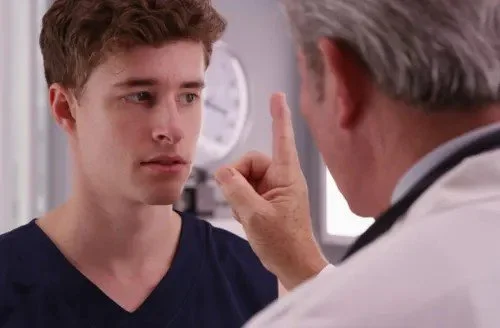
In this practical, clinically focused seminar, Dr. Morgan will provide chiropractors with the knowledge and tools needed to confidently recognize suspected concussions, perform an appropriate evaluation, understand their role in patient care, and make informed decisions about treatment and referral.
Sexual Harassment in Chiropractic Practice: Rules & Requirements
This course provides an overview of sexual harassment laws, regulations, and professional requirements applicable to the chiropractic profession. Participants will review key information from regulatory and authoritative sources to better understand sexual harassment prevention, compliance, and professional responsibilities.
Beyond the Spine: Inflammation, Heart Health & Chiropractic Care
Dr. Kendel will kick off the seminar by discussing the biochemical processes behind inflammation and how acute inflammation can progress into chronic inflammation. He will explore the impact of chronic inflammation on adrenal function, vascular health, and the body’s ability to heal—and how these factors can influence chiropractic treatment and patient outcomes.
Turn Your Clinical Experience Into Research That Matters
You see questions in your practice every day. What if you could turn those questions into research—and ultimately into published scientific evidence?
This seminar is designed specifically for practicing chiropractors who want to understand how research can become a powerful part of their professional practice and contribute to the future of chiropractic care.
You’ll discover how to move beyond simply reading research to doing research, sharing your findings, and getting published.
When to Adjust: Objective Neurological Indicators for Chiropractic Care
Enhance Your Chiropractic Care with Practical Neurological Indicators
Learn how heart rate and skin temperature measurements can provide valuable neurological insights to help chiropractors assess patient status, guide clinical decision-making, and evaluate responses to chiropractic care.
This seminar introduces clinician-friendly, evidence-informed methods for using autonomic and physiological measures as part of the chiropractic assessment process. You’ll learn how to establish meaningful baseline measurements, recognize changes in neurological function, and use objective data to help determine appropriate timing for intervention and assess patient response.
Treating & Managing Lumbar Radiculopathies
Learn the examination and treatment of the lumbar spine using a full system, which is clinically proven to elicit better functional outcomes.
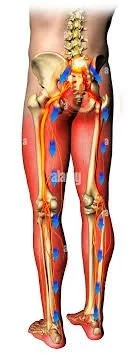
Lumbar radiculopathy occurs in the lower region of the spine and is associated with sciatica pain. The lower back is the most common area affected by radiculopathy.
Evaluation techniques and a detailed diagnostic & treatment system can identify the pathology and treatment that has demonstrated streamlined decision making and better results.
Cervical Oddities in Imaging
Dr. Steve Gould will begin the day with Cervical trauma and upper cervical oddities in imaging and end the day with surprises you may see in your practice. He will review what he sees on the images and teach what to look for.
Dr. Gould will guide you through these cases and show you ways to insure you don’t miss critical issues. Join us to practice reading what you are seeing to ensure you provide the best treatment for your patients.
Common Concerns Seen in Imaging with Case Studies
In this seminar, Dr. Yochum will cover a systematic approach to evaluating plain films and digital imaging to better help you in your daily practice. She will also review a wide range of pathology such as sports injuries, arthritis, tumors and infection.
Dr. Yochum will present case studies and have you participate in diagnosing what you see on the image!
What's New with Insurance, Billing & Coding
Insurance is changing. This seminar will discuss the way providers are being tracked for their code usage, and how decisions are made about claims.
This insurance seminar will help you stop getting claims rejected and avoid being considered for removal from insurance networks and paying back money you have been paid!
Shoulders & Knees: Evaluation & Treatment with Laser Therapy
In this clinically focused course, Dr. Tucker will guide practitioners through the evaluation and application of laser therapy for common shoulder and knee conditions. You will learn practical strategies for effectively incorporating laser therapy into patient care, including treatment considerations, expected therapeutic effects, and how laser applications can complement other chiropractic procedures.
Triggers & Treatments for Thyroid Malfunction
Dr. Kendel will review the influence of a leaky gut and the gut microbiome and their importance and role they play in the thyroid’s function.
In this seminar, you will learn:
1. Triggers for thyroid malfunction
2. Hyper- and Hypo- Thyroidism
3. How to return to a properly functioning thyroid
Chiropractic & Cardio Systems
Dr. Kendel will kick off the seminar discussing the biochemical process behind inflammation and how it becomes an issue with the cardio systems. You will learn how to detect adrenal fatigue, the common causes and how to help patients with these concerns. Dr. Kendel will give you the tools to reduce the stress and fatigue on the cardio systems. Join us to learn the labs and levels for major contributors to cardio function and adrenals.
Recognizing Adrenal Fatigue
Dr. Kendel will kick off the seminar discussing the biochemical process behind inflammation and how it becomes an issue with adrenal fatigue. You will learn how to detect adrenal fatigue, the common causes and how to help patients with these concerns. Dr. Kendel will give you the tools to reduce the stress and fatigue on the cardio systems. Join us to learn the labs and levels for major contributors to cardio function and adrenals.
Nutritional Inflammation
Dr. Kendel will kick off the seminar discussing the biochemical process behind inflammation and how it becomes chronic inflammation. Leaky gut and the gut microbiome’s importance and role it plays in overall health as well as specific conditions will be discussed. You will learn the common causes of chronic inflammation and what we as chiropractors can do to treat it.
Shoulders & Knees: Evaluation & Treatment with Laser Therapy
This class will focus on the evaluation and treatment with lasers of shoulders and knees. Dr. Tucker will review how to effectively perform laser therapy for common shoulder and knee problems. You will learn the effects that will occur with laser treatment and how those effects can elevate your other treatments to get your patients functioning better.
Professional Boundaries & Ethics
This course provides a review of Professional Boundaries and Ethics for the Chiropractic Profession. Information includes material from regulatory sources to satisfy Boundary and Ethics knowledge enhancement and requirements.
Assessment Techniques Using Heart Rate & Skin Variables
This seminar teaches chiropractors the rationale, procedure, and interpretation of evidence-based in-office testing that will monitor ANS changes following your spinal care, comparing pre- and post-adjustment findings.
The testing covered in this seminar includes:
a. Skin temperature analysis (symmetry and pattern models). Instruments include simple single probe infrared thermometers as well as the elaborate TyTron thermographic system
b. Resting heart rate and heart rate variability. Technology includes App-based methods as well as a three-lead ECG unit.
c. Sit-to-stand heart rate test using App and radial artery palpation.
If you’re looking for objective, evidence-based assessments to monitor autonomic function in your practice, this seminar is for you!
Case Studies in Imaging with Dr. Yochum
Join Dr. Alicia Yochum for practice in reading actual case images! She will review what she sees on the images and teach what to look for. You will have the opportunity to practice what you learn in class on real life cases!
Dr. Yochum will point out the red flags that you should not miss on an image. as well as difficult things to see. You will learn how to spot concerns more easily and what you should be looking for. Join us to practice reading what you are seeing to ensure you provide the best treatment for your patients.
Conducting Chiropractic Research & Getting Published
The seminar is intended for the practicing chiropractor who would like to learn about
a. The benefits of learning, doing, and publishing your research
b. Doing research in a chiropractic office in particular
c. Research methods in general
d. Getting published in a peer-reviewed science journal
Shoulders & Knees: Evaluation & Treatment with Laser Therapy
This class will focus on the evaluation and treatment with lasers of shoulders and knees. Dr. Tucker will review how to effectively perform laser therapy for common shoulder and knee problems. You will learn the effects that will occur with laser treatment and how those effects can elevate your other treatments to get your patients functioning better.
Case Studies in Imaging with Surprises
Join Dr. Steve Gould in reviewing some actual case images with surprises! He will review what he sees on the images and teach what to look for. You will have the opportunity to learn if what you would have diagnosed is actually how each case resulted.
Dr. Gould will guide you through these cases and show you ways to insure you don’t miss critical issues. Join us to practice reading what you are seeing to ensure you provide the best treatment for your patients.
Understanding the Thyroid
In this seminar, you will learn:
1. Triggers for thyroid malfunction
2. Hyper- and Hypo- Thyroidism and how we can test for them
3. What Chiropractors can do to best treat patients with these problems
4. How to return to a properly functioning thyroid ronic inflammation. You will learn the common causes of chronic inflammation and what we as chiropractors can do to treat it.
How to use Heart Rate and Neurology to Assess Adjustment Needs
This seminar teaches chiropractors how to accurately use heart rate and skin temperature measures as neurological indicators. This in turn helps the chiropractor determine when the patient needs an adjustment from the neurological standpoint, and whether the intervention was effective.
Understanding Diagnostic Ultrasounds: Extremity MRI and Ultrasound
Dr. Alicia Yochum will cover a systematic approach to interpreting extremity MRIs with ultrasound correlation. You will learn to recognize specific areas of concern on the ultrasounds and images and when they require more attention or referral. Dr. Yochum will review what to look for and how to evaluate what you are seeing.
She will cover red flags in your office and what could be walking through your door!
Implicit Bias Training
This seminar is based off of NIH information and will review the different types of Biases seen in society today along with ways to reduce these in your office. This includes:
How to recognize bias in yourself and others
How to minimize it’s impact
How do we define diversity
What prevents diversity
What fosters diversity
Case Studies in Imaging with Surprises
Join Dr. Steve Gould in reviewing some actual case images with surprises! He will review what he sees on the images and teach what to look for. You will have the opportunity to learn if what you would have diagnosed is actually how each case resulted.
Dr. Gould will guide you through these cases and show you ways to insure you don’t miss critical issues. Join us to practice reading what you are seeing to ensure you provide the best treatment for your patients.
Triggers & Treatments for Thyroid Malfunction
Dr. Kendel will review the influence of a leaky gut and the gut microbiome and their importance and role they play in the thyroid’s function.
In this seminar, you will learn:
1. Triggers for thyroid malfunction
2. Hyper- and Hypo- Thyroidism
3. How to return to a properly functioning thyroid
Professional Boundaries & Ethics
This course provides a review of Professional Boundaries and Ethics for the Chiropractic Profession. Information includes material from regulatory sources to satisfy Boundary and Ethics knowledge enhancement and requirements.
The Truth & Realities of Spondylos with Dr. Terry Yochum
Dr. Terry Yochum will share his expertise and knowledge on Spondylolysis and Spondylolisthesis in this extensive program. He will teach you what he has learned during his years of studying these issues. This is a special opportunity to learn from a renowned expert in this field!
Common Issues You shouldn't Miss on Imaging
In this seminar, Dr. Yochum will cover a systematic approach to evaluating plain films and digital imaging to better help you in your daily practice. She will also review a wide range of pathology such as sports injuries, arthritis, tumors and infection.
Dr. Yochum will present case studies and have you participate in diagnosing what you see on the image!
Shoulders & Knees: Evaluation & Treatment with Laser Therapy
This class will focus on the evaluation and treatment with lasers of shoulders and knees. Dr. Tucker will review how to effectively perform laser therapy for common shoulder and knee problems. You will learn the effects that will occur with laser treatment and how those effects can elevate your other treatments to get your patients functioning better.
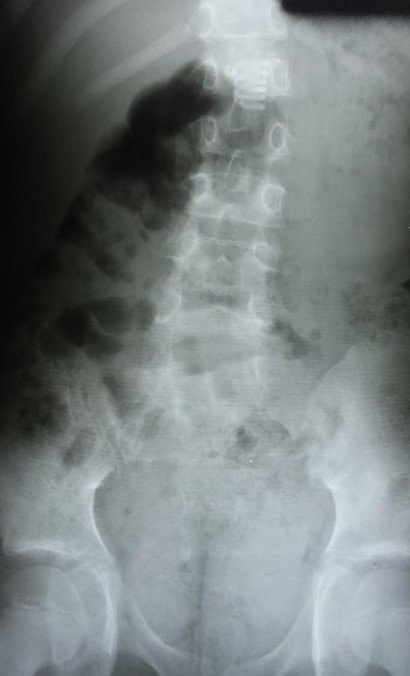
Finding Food Sensitivities
Dr. Kendel will discuss the biochemical process behind food sensitivities and how they relate to autoimmune issues, antibody production, inflammatory responses, leaky gut and more. He will show you how to find these sensitivities and what you can do to heal the damage they cause.
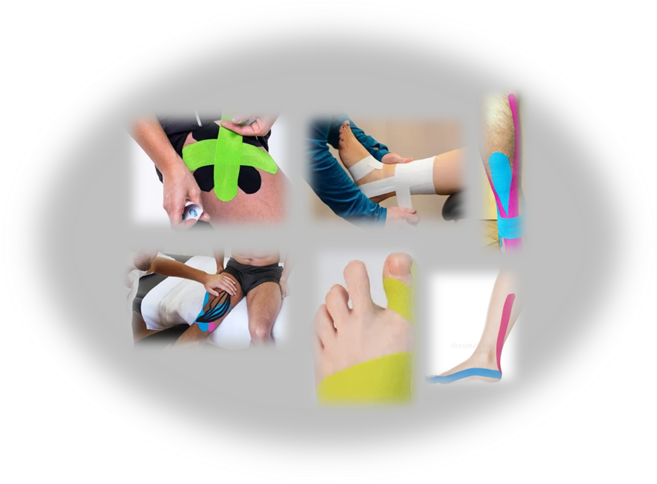
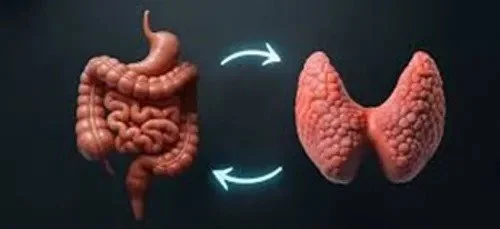
Revelations in Cancer & Chiropractic Care
Includes 4 hours of Risk Management
In this seminar, we will be looking at research regarding traditional somatic mutation as well as biochemical/metabolic pathways and therapy. Dr. Carter will take you through his personal cancer fighting journey and the processes that Chiropractors can use with their patients. You will learn what to look for and how to apply what you learn it to these cases. Risk Management is included in this class.
Inflammation & the Effects on the Cardio System
Dr. Kendel will kick off the seminar discussing the biochemical process behind inflammation and how it becomes chronic inflammation. He will continue with the influence of inflammation on adrenal fatigue and vascular inflammation.
In this seminar, you will learn:
1. How to measure adrenal fatigue
2. How to protect blood vessels
3. Blood pressure regulation
4. Vascular inflammation
and much more!